
Is shipping protection worth it? Run the operator's math first
 Verified & Reviewed


 Copy Link
Shipping protection is worth it when the math says so: your real incident rate, times your real cost per incident, against the fee friction and the share of protection revenue you keep. That is the whole answer, and most of this SERP will not give it to you straight because most of it is written by protection vendors. My position after two decades running ecommerce brands: if you fix the ops issue at the root, there is no complaint. Every order is a promise. Keeyu keeps it, and paying a third party to refund broken promises is not the same as breaking fewer of them. Here is how an operator actually runs the numbers, from proactive e-commerce operations, the system of action for e-commerce.
The math: what an incident actually costs
Start with the number nobody pulls: incidents per orders shipped, last quarter, from your own data. Not the industry scare stat. Then cost each incident honestly: the refund or reshipment, plus the support time. A lost-in-transit ticket is expensive to work precisely because of the hunt: without a system watching the order, an operator checks about six systems, storefront, payments, carrier, and the rest, to reconstruct what happened to one parcel. Multiply it out, and you have the annual cost of doing nothing. The metric to hold any fix to is Complaint Prevention Rate: orders saved from becoming complaints divided by total at-risk orders, times 100. I build this exact business case for brands: one recent version costed an offshore support FTE at $30,000 a year, projected the ticket reduction, added the retention uplift from the shoppers who stop churning once they get what they want on time, and landed at roughly $80,000 in annual benefit with a three-month payback. Run yours with your numbers. The point is that the spreadsheet exists before the vendor decision does. The ticket-cost side of the formula is on the WISMO page.
Include the reverse leg in the same spreadsheet: return shipping and refund handling carry their own cost per incident, laid out on the return shipping fee page.
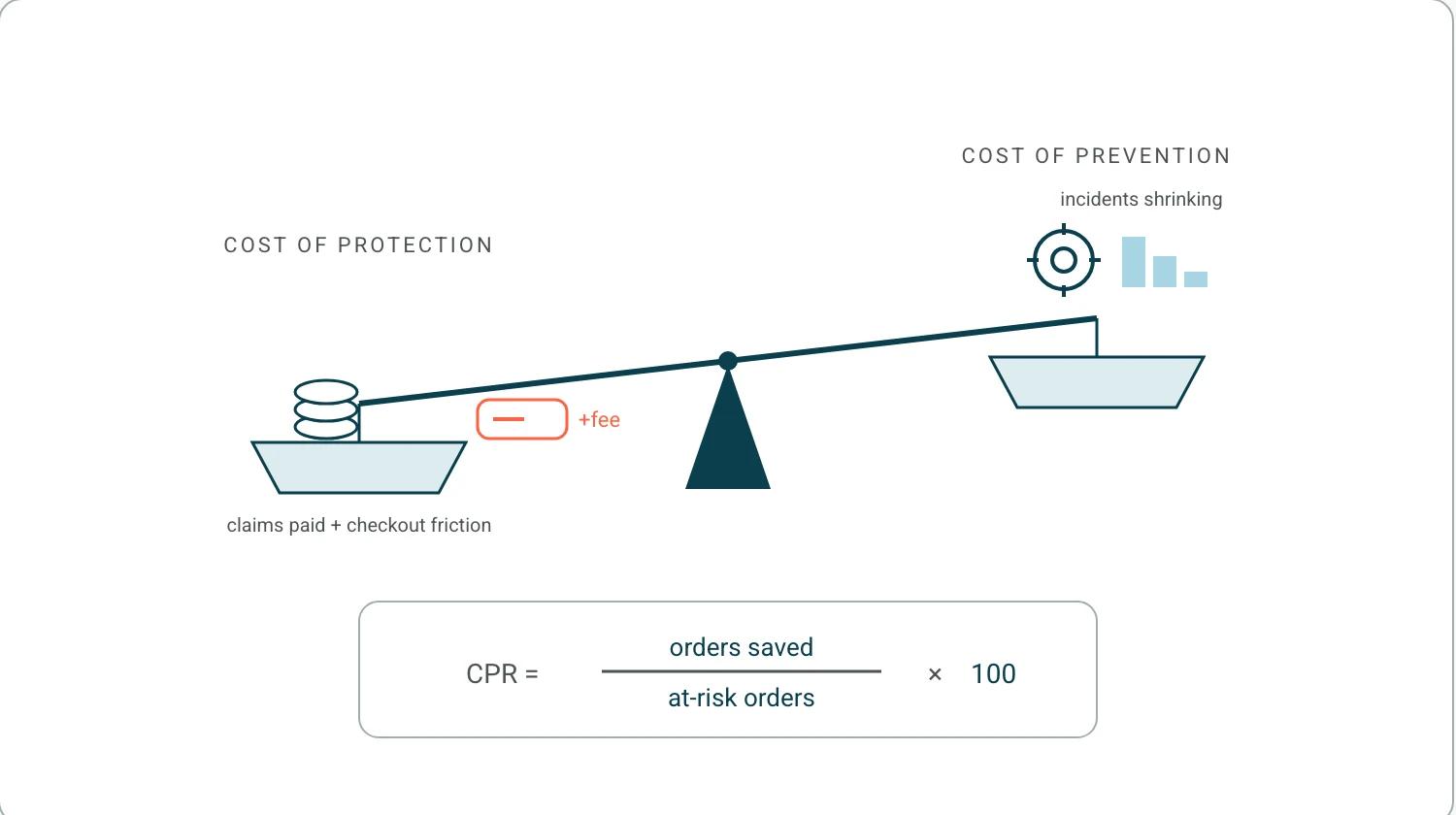
Run the same math on prevention and the answer changes shape. Growth at all costs is not a thing anymore and margins are under pressure, so the bottom line is where this gets decided. With some of the brands running these workflows we have seen one to one and a half percentage points of profit added to the bottom line, which I said on The Ecommerce Edge, and none of it is a premium collected at checkout. Protection is a way of paying for incidents. That is a different line on the P&L than not having them.
Add the shopper's time to your own. Nobody opts in at checkout to a disclaimer saying one in five purchases means chasing it and burning hours of your life, which is how I framed it on eCommerce Australia. Protection reimburses the parcel. It does not reimburse that, and that is the part that decides whether they buy from you again.
The trade protection vendors don't put on the slide
Two costs sit outside the widget's dashboard. First, checkout friction: the protection checkbox is an upsell interrupting your highest-intent moment, and it quietly tells the shopper you are not standing behind delivery unless they pay extra. Test it against a holdout before trusting aggregate case studies. Second, the incentive cost: once claims are funded by the customer's fee, the pressure to fix the underlying failure rate evaporates. The incidents keep happening at the same rate, forever, insured. The light bulb moment for us was that customer service is built the wrong way around: it rewards itself for fixing problems fast instead of preventing them. A brand should be measured on how well it stopped the problem from ever existing, and a payout model measures the opposite. Your loss rate becomes a line item instead of a problem, and nobody owns making it smaller. Watch your volume assumptions too: seasonality distorts everything in shipping. A protection decision priced on the average month gets stress-tested by the real one.
When it is genuinely worth it
Be fair to the category. Protection earns its fee when the failure is truly outside your control and irreducible: porch theft in high-risk zones, genuinely damaged freight, international lanes with unrecoverable carriers. If your measured incident rate is concentrated there, structured protection beats eating the cost, and the claims handling alone can pay for itself for a small team. The full breakdown of what the category does and does not solve is on the shipping protection page.
Set the premium against the churn it does not prevent. Protection pays out on the incidents you already lost. Its value is real and it is capped at the claim, and the shopper who had to chase that order is not on the claim form. When acquisition was cheap, you could replace that customer and call it just e-comm. That world ended. Now you pay to acquire a customer, lose them to a late parcel, then pay again to replace them, which is setting fire to money every time a parcel is late.
In a LinkedIn comment I wrote: "The math is wild when you lay it out. Brands will spend $50 to acquire a customer, then lose them over a $2 shipping delay they never communicated. Retention isn't a strategy problem. It's a blind spot."
The operator's answer
Worth it? Sometimes, for the residue. But run the sequence in the right order. First, shrink the preventable share: the stalled shipments, the lost-in-transit orders, the late dispatches that something should have caught while there was still time to act. That is detection and action against the promise, measured on the on-time delivery page, and it is the work that moves the incident rate itself. EHP Labs ran this shift and saved $455,000, cut reactive helpdesk tickets by 55 percent, took their out-of-stock workflow from 45 minutes to five. The saving and the ticket cut are figures I have given on Marketing for SMEs. Across Keeyu, we did not have a single customer churn in the 18 months after we launched. Then insure what remains, at a rate that reflects the smaller number, and hold the whole program to the standard set on the new standard for proactive ops. Keeyu gets shoppers what they want, on time, as promised, which is the outcome no payout replicates. Detect. Decide. Act. See your own preventable share in a demo, or map the full discipline on the post-purchase operations hub. Every order is a promise. Keeyu keeps it. Protection is for the promises the world breaks anyway, and there are fewer of those than the widget wants you to believe.
Frequently Asked Questions
Is shipping protection worth it for small ecommerce stores?
Only if your measured loss and damage rate justifies it. Pull the real number first: incidents divided by orders shipped, last quarter. Then set that rate times your real cost per incident against the conversion you lose to an extra fee at checkout, and test the checkbox against a holdout before you decide.
Does shipping protection hurt conversion?
An extra checkbox and fee at checkout is friction, and it reads as the brand disclaiming responsibility for delivery. Some brands see no measurable impact, others see abandonment tick up. Test it against a holdout rather than trusting the provider's aggregate numbers.
What is the alternative to shipping protection?
Reduce the incidents instead of insuring them: detect stalled and lost shipments early, replace proactively, and file carrier claims automatically. Insurance for the residue is fine. Insurance as the whole strategy means paying forever for a problem that stays the same size.
References
- Keeyu customer results (EHP Labs): keeyu.com/customer-stories
- The Breakout CEO #86, The Pivot This Founder Made After an Investor Called It Impossible - one in five US shoppers not getting orders on time, and the ticket ratios behind it.
- Add To Cart #599, How to Prevent "Where is my Order?" Complaints Before Customers Ask - preventing "where is my order" before the customer asks.
- Marketing for SMEs, Jevon Le Roux on the E-Commerce Mistake Costing Millions - the orchestration layer, and the 55% ticket cut at EHP Labs.
Keep the promise.
See how Keeyu catches and fixes post-purchase issues before customers notice.
In one call, we’ll map your operations and show how Keeyu detects issues, decides what needs to happen, and takes action across your existing systems.
We’ll confirm your integration requirements and rollout plan during the demo.
