
Return to Sender: Why Parcels Bounce and What Merchants Do Next


 Copy Link

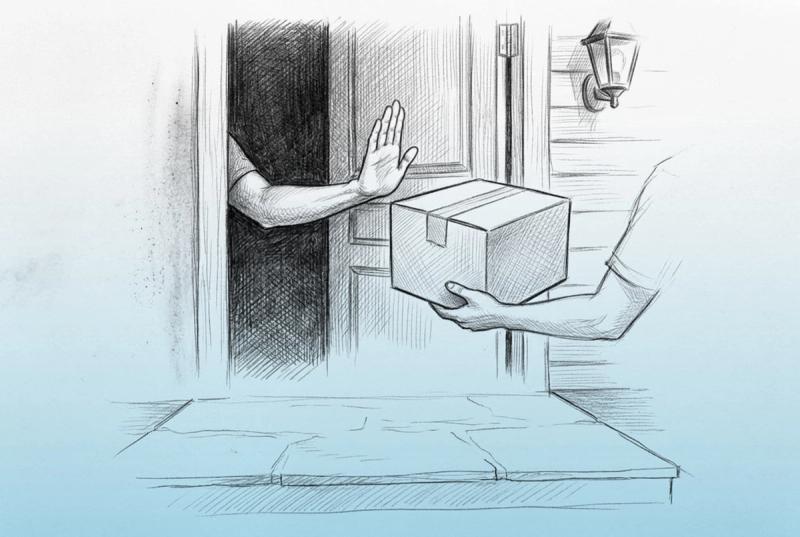
Return to sender (RTS) is the status a carrier gives a parcel it cannot deliver and is shipping back to the merchant. The tracking event usually names a reason, such as a bad address, a refusal, or an unclaimed pickup. This guide covers the merchant side: why parcels bounce, what each one costs, what to do when one comes back, and how to stop the next.
Every order is a promise. Keeyu keeps it.
I run Keeyu, a proactive e-commerce operations platform, and I came to it from running apparel and retail operations. In my experience, RTS detection is usually "we find out when the parcel comes back." By the time the box lands on the returns bench, the shopper has already waited. Many have given up or opened a ticket asking where their order went. If you want to fix the address before the label prints, read our guide to fixing a wrong shipping address before it ships. If the parcel has gone silent rather than bounced, that is a different problem, covered in what to do when a package is lost in transit. This page starts at the moment a carrier decides the parcel is coming home.
Why carriers mark a parcel return to sender
A carrier marks a parcel return to sender when it cannot complete delivery and has no instruction to forward or hold it any longer. The reason code matters, because each one points to a different fix.
Most RTS volume is not bad luck. It is a set of predictable operational failures that nobody was watching for. Every e-commerce team I talk to faces the same everyday issues. Delayed delivery, partial shipments, stockouts, invalid addresses, unknown SKUs, unmanifested parcels, and the list goes on. Return to sender sits at the end of several of those chains.
The USPS Domestic Mail Manual publishes the endorsements its staff apply to undeliverable mail, and they map neatly onto what merchants see in tracking (USPS DMM 507).
Bad or incomplete address
USPS uses endorsements such as "Insufficient Address," "No Such Number," and "No Such Street" (USPS DMM 507). They cover a missing or nonexistent number, street, or city. For a merchant this is the missing apartment number, the transposed digits, or the autofill that picked the wrong town.
Refused delivery
"Refused" means the addressee refused to accept the mail (USPS DMM 507). Shoppers refuse parcels for many reasons: they already canceled, they ordered twice, they no longer want the item, or the box arrived looking damaged.
Unclaimed or not collected from a pickup point
"Unclaimed" means the addressee abandoned or failed to call for the mail (USPS DMM 507). This is the parcel that waited at a post office, locker, or access point and nobody came. Awaiting collection becomes return to sender and a second freight bill.
No access or no receptacle
USPS also lists "No Mail Receptacle" and "Attempted, Not Known" (USPS DMM 507). The first means the addressee gave no receptacle. The second means nobody at the address knows the addressee. In practice this is the gated building, the locked lobby, or the office closed on delivery day.
Customs and cross-border holds
International parcels add another trigger. I have seen customs quietly change how goods are classified and trigger a surge of return to sender exceptions. Parcels bounced back from an entire market at once. No single parcel looked wrong. The pattern only showed up in aggregate.
RTS reason | What usually caused it | First fix to check |
|---|---|---|
Bad or incomplete address | Typo, missing unit, wrong city | Address validation at checkout |
Refused | Duplicate order, buyer remorse, damage | Contact the shopper before resending |
Unclaimed at pickup point | Shopper missed the notice | Pickup reminders |
No access or receptacle | Gated building, closed business | Delivery instructions field |
Customs | Classification or paperwork change | Watch RTS volume by destination country |
Carrier rules, fees and what return to sender really costs
Carrier rules decide how long a parcel waits before it turns around, whether the return leg is billed, and how long the loop takes. Those rules differ by carrier and by service, so check your own carrier agreement rather than assuming.
The fee schedule is the smaller part of the cost. A parcel that comes back is a sale you paid to fulfill and then paid to unwind. In most teams nobody sees it until it is physically back on the dock.
How long USPS holds before returning
For USPS Hold For Pickup, the Post Office sends a second notice if the item is not picked up within 5 days. It returns the item to the sender if it is not picked up within 15 days. Priority Mail Express runs on 3 and 5 days (USPS DMM 507). That is a clear window to act in, if you know the parcel is sitting there.
Who pays for the return leg
USPS returns undeliverable Priority Mail Express, Priority Mail, First-Class Mail, and USPS Ground Advantage pieces at no additional charge, unless the sender requested otherwise (USPS DMM 507). Other carriers and other services can bill a return charge, so read the terms for each service you ship on.
Stopping a parcel before it bounces
If you spot a problem while a USPS parcel is still in transit, Package Intercept lets the sender redirect it back or hold it at a Post Office. The fee is $19.45 plus any applicable postage, charged only if the intercept succeeds (USPS Package Intercept). Weigh that against the full loop below.
The full cost of one RTS
Even when the carrier waives the return postage, the merchant still pays for:
- The original outbound freight, which bought nothing
- A second outbound freight bill if you resend
- Return freight, where your service or carrier charges it
- Receiving, inspection, and handling time at the warehouse or 3PL
- Restocking, or a write-off if the item is seasonal, perishable, or damaged
- Support time for the shopper who wants to know where their order went
Cost line | Paid when | Avoidable if caught early |
|---|---|---|
Outbound freight | At dispatch | No, already spent |
Return freight | When the carrier bills it | Often, by intercept or redirect |
Second outbound freight | On resend | Often, by fixing the address in transit |
Handling and restock | On arrival | Partly |
Support contacts | While the shopper waits | Yes, with proactive updates |
The SOP when a return to sender parcel comes back
A return to sender standard operating procedure (SOP) is the fixed set of steps from first RTS signal to resolved order: detect, contact, decide, and restock. Writing it down stops each RTS from becoming a fresh investigation.
Every order is a promise. Keeyu keeps it.
The SOP should start long before the box arrives. Brands finally admit they need visibility on the reverse path, and it is the same visibility they need on outbound. If your first trigger is the warehouse scanning a returned parcel, you have already lost the days you could have spent fixing it.
Step 1: Detect it early
Watch tracking events, not the returns bench. Flag any parcel whose status shows return to sender, undeliverable, refused, or held for pickup past a few days. Group those flags by reason and by destination, because a spike in one country or one ZIP range often points to a single upstream cause. Our roundup of delivery exception management software compares tools that surface these events.
Step 2: Contact the shopper
Reach out the same day with a short, specific message: what happened, what you need from them, and what happens next. Ask for a corrected address, confirm whether they still want the item, or remind them the parcel is waiting for pickup. Do not wait for them to find the problem first.
Step 3: Resend, redirect, or refund
Decide quickly and record the decision on the order:
- Redirect or intercept while the parcel is still moving, if the carrier allows it
- Resend once the corrected address is confirmed, ideally from stock rather than waiting for the return
- Refund if the shopper refused, canceled, or stopped responding after a set number of attempts
- Set a policy for who absorbs the second freight bill, so support agents are not deciding case by case
Step 4: Receive, inspect, and restock
When the parcel lands, match it to the order, inspect it, and put it back into sellable stock or write it off. Close the loop in your order system so finance sees the cost and the shopper sees the final outcome. Then tag the root cause, because that tag is what feeds prevention.
How to prevent return to sender parcels
Preventing return to sender means removing the causes before dispatch and keeping the shopper informed while the parcel is moving. Most of the work happens upstream of the warehouse, before the label prints.
By my estimate, roughly one in five orders in the US does not arrive as intended. The brands that handle this well are the ones that stop treating delivery as finished at dispatch. Keeyu gets shoppers what they want, on time, as promised, and that only works if someone is watching the parcel after it leaves the building.
Address validation at checkout
Validate addresses against postal data and prompt for apartment or unit numbers. Hold orders that fail validation for a quick confirmation before the label prints. The correction workflow itself is covered in the address guide linked above.
Delivery notifications
Send tracking updates the shopper will actually read, and send an extra message the moment an exception appears. A shopper who knows a delivery was attempted can act on it.
Pickup reminders
When a parcel goes to a post office, locker, or access point, remind the shopper on day one and again before the hold window closes. Given the USPS Hold For Pickup window of 15 days for most services (USPS DMM 507), a reminder halfway through is cheap insurance against a second freight bill.
Watch the pattern, not just the parcel
Track RTS rate by carrier, service, destination region, and reason code every week. A rising rate in one segment is an early warning that something upstream changed, whether that is a checkout bug, a carrier network issue, or a customs rule. This is the core idea behind proactive e-commerce operations: find the problem in the data before the shopper finds it on their doorstep.
If you want to see what that looks like on your own order data, book a Keeyu demo.
Every order is a promise. Keeyu keeps it.
Frequently Asked Questions
What does return to sender mean on a tracking update?
It means the carrier could not deliver the parcel and is sending it back to the shipper. The tracking event usually carries a reason, such as an insufficient address, refused, or unclaimed. For a merchant, that reason tells you whether to correct the address, contact the shopper, or refund the order before the parcel even arrives back.
How long does USPS hold a package before returning it to sender?
For USPS Hold For Pickup, the Post Office sends a second notice after 5 days and returns the parcel if it is not collected within 15 days. Priority Mail Express uses shorter windows of 3 and 5 days. Other services and carriers set their own rules, so check the terms for the service you ship on.
Do I pay for return to sender shipping?
It depends on the carrier and service. USPS returns undeliverable Priority Mail, First-Class Mail, and Ground Advantage pieces at no additional charge unless the sender requested otherwise. Other carriers may bill a return fee. Either way, you still lose the original outbound freight and pay again if you resend.
Can I stop a package before it is returned to sender?
Often, yes. USPS Package Intercept lets the sender redirect a parcel or hold it at a Post Office for a fee, charged only if the intercept succeeds. Acting early is the key, which is why detecting exceptions in tracking data matters more than waiting for the returns bench.
What should I do when a return to sender parcel arrives back?
Match it to the order, inspect it, and restock or write it off. Ideally you have already contacted the shopper and decided whether to resend or refund while the parcel was in transit. Tag the root cause so it feeds prevention. Our delivery exception management software roundup covers tools that help.
How do I reduce return to sender rates?
Validate addresses at checkout, send clear delivery notifications, and remind shoppers to collect parcels from pickup points before the hold window closes. Track your RTS rate by carrier, region, and reason each week. These habits are part of running proactive e-commerce operations rather than reacting after the fact.
Is return to sender the same as a lost package?
No. A return to sender parcel is moving and has a known status, while a lost parcel has stopped updating or cannot be located. The fixes differ: RTS needs a shopper contact and a resend or refund decision, while a lost parcel usually needs a carrier trace and claim, covered in our lost in transit guide.
References
- 1. United States Postal Service, "Domestic Mail Manual 507 Mailer Services", https://pe.usps.com/text/dmm300/507.htm. Undeliverable-mail endorsements (Insufficient Address, Refused, Unclaimed, No Mail Receptacle), Hold For Pickup 5 and 15 day windows, and no-charge return of undeliverable Priority Mail, First-Class Mail and Ground Advantage pieces.
- 2. United States Postal Service, "Package Intercept: Stop Delivery of Letter or Package", https://www.usps.com/manage/package-intercept.htm. Sender can redirect or hold an in-transit parcel for a $19.45 fee plus postage, charged only if intercepted.
Keep the promise.
See how Keeyu catches and fixes post-purchase issues before customers notice.
In one call, we’ll map your operations and show how Keeyu detects issues, decides what needs to happen, and takes action across your existing systems.
We’ll confirm your integration requirements and rollout plan during the demo.
